
The Next Big Architecture Challenge Isn't the Market. It's Leadership.


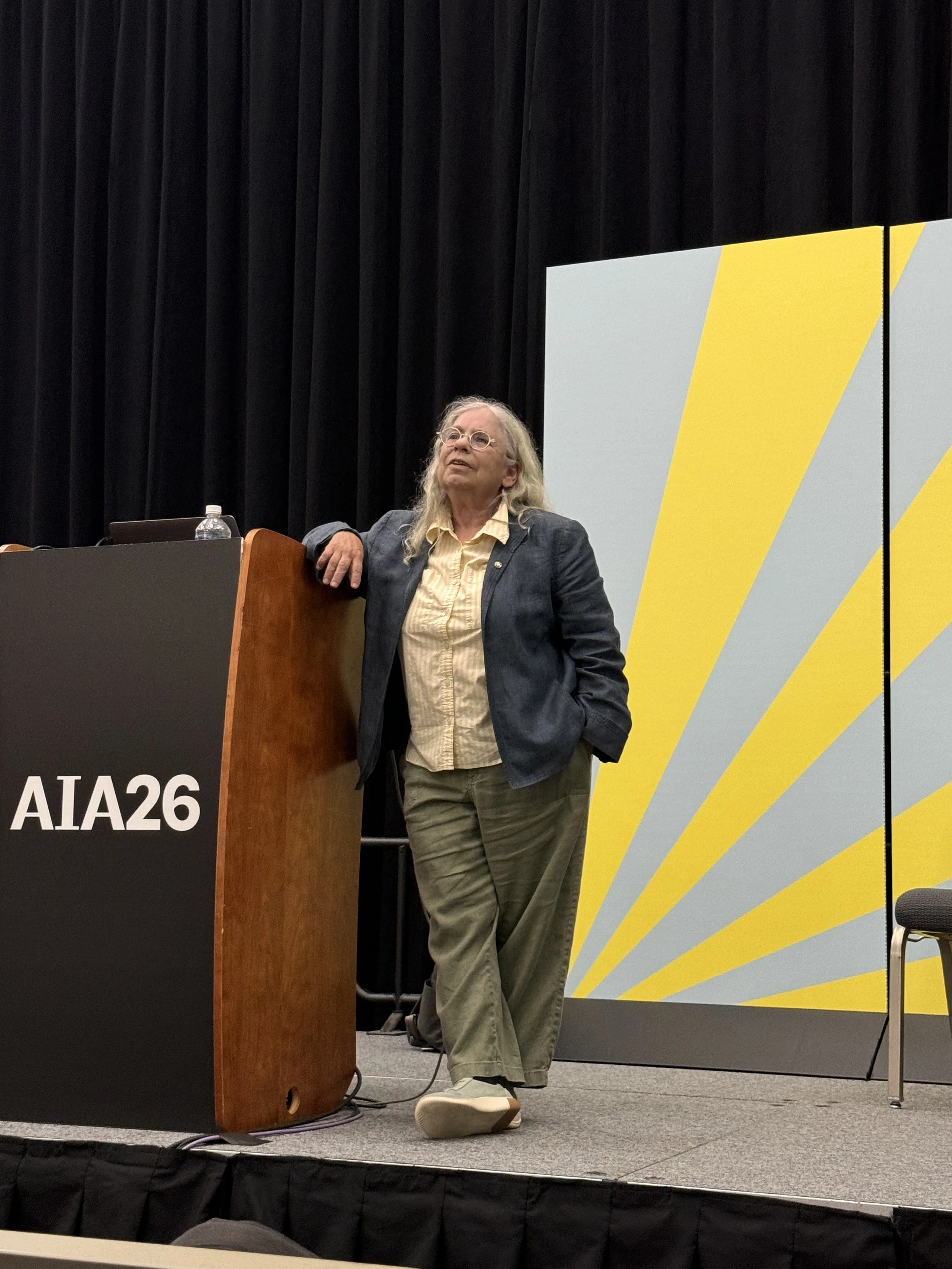
At this year's AIA National Conference, one theme surfaced again and again: architecture firms are thinking hard about the future. One of the things we appreciate most about attending conferences like AIA is the opportunity to compare what we're hearing from clients with what the broader industry is experiencing.
This year, one message came through clearly: firms are thinking about the future, but many are uncertain about who will lead it.
There was certainly plenty of discussion about the economy and market conditions. According to AIA Chief Economist Richard Branch, single-family construction is slowing while multifamily and hospitality continue to grow. Infrastructure has accounted for much of the industry's growth in recent years, although architects capture only a small share of that investment. The office sector appears stronger on paper than it may be in practice, as the category includes manufacturing facilities and data centers where architectural fee opportunities can be limited. Data centers remain a significant growth area, but increasing resistance from municipalities and communities may create challenges in the years ahead. And overall, the outlook for 2027 appears softer than the industry has experienced recently.
While those market realities matter, the conversations that stuck with us most weren't about sectors or forecasts. Across firm leaders, principals, and emerging professionals, we heard a common concern: Who is preparing to lead next?
It's a challenge we're seeing with our clients as well. Many firms are navigating growth, ownership transitions, and increasing business complexity at the same time. Technical expertise alone is no longer enough. Firms need leaders who can build teams, drive accountability, develop business, make sound decisions, and help organizations adapt as conditions change.
The firms that thrive through the next cycle won't necessarily be the ones operating in the fastest-growing markets. They'll be the ones that have intentionally invested in leadership and built the capacity to adapt.
At AVEC, we've long believed that leadership development is not something that begins a few years before a retirement or ownership transition. It's an ongoing business strategy. The strongest firms create opportunities for people to lead long before they have a title. They teach business acumen alongside technical expertise. They help emerging leaders understand not only how projects succeed, but how firms succeed.
One conversation at the conference reinforced why this matters. We met leaders from two small firms that were in the process of being acquired by private equity. And while every firm's situation is different, this kind of shift may not sit well with an existing team. To us, it served as a reminder that firms with strong leadership benches, healthy business fundamentals, and intentional succession planning have more options available to them.
Every firm will face changing markets, leadership transitions, and unexpected challenges. The firms that navigate those moments most successfully are the ones that have invested in leadership long before they need it. Markets will rise and fall, growth sectors will shift, and economic forecasts will change. The firms that emerge strongest won't be those that guessed the market perfectly; they'll be the ones that invested in their people, built leadership capacity, and prepared the next generation to carry the business forward.
Ultimately, firms that develop leaders throughout the organization are better positioned to choose their future instead of reacting to it.