
People, Performance + Pay
Year-end has a way of concentrating every people question into the same few months.
Performance reviews. Raises. Bonuses. Benefits renewals. High performers you really do not want to lose. Employees who are struggling. Long-tenured team members who may be nearing the top of their compensation range. And, underneath all of it, the inconvenient reality that the firm’s budget may not allow you to simply spend your way out of every problem.
From Metrics to Markets
Your financial plan and your business development plan are the same plan.
Architecture firms spend a lot of time planning for the year ahead. Revenue goals get set, budgets get built, market leaders talk about where they want to grow, and marketing and business development teams start filling the pipeline. Too often, those conversations happen separately.
Enter AVEC: From Generalist to Specialist
Moving from generalist to specialist means getting clear on the work you want, the expertise you bring, and the business needed to support it. Enter AVEC: Generalist to Specialist explores how positioning, operations, leadership, and marketing work together to build a more focused practice.
AVEC Field Guide: How Midsized Firms Grow
As architecture firms grow, the systems, structures, and leadership habits that got them this far don’t always get them where they want to go next. Decisions still run through the same few people. Senior leaders stay deeply involved in project work.
Branding is a Business Decision
Your brand is much more than a logo. It's how clients and team members current and future understand who you are.
In our recent webinar, we explored how to evaluate branding as a business decision — not just a marketing tactic. Participants learned to see the signs (and convince others!) a firm may have outgrown its brand, the difference between a brand refresh and a full rebrand, and how a strong brand supports recruiting, business development, and internal alignment.
Future Voices: Leadership Across Generations
As firms navigate hybrid work, changing communication habits, leadership transitions and a new generation entering the profession, one idea kept surfacing: what used to be caught now has to be taught.
Enter AVEC: Beyond the Founder
Succession doesn’t start when a founder is ready to leave. It starts years earlier—with stronger systems, more capable leaders, clearer accountability, and a business that can operate without every decision flowing through one person.

The Magic Marketing Switch Doesn't Exist
Today’s pipeline was built by the relationships you started months, even years, ago. But when work gets thin, it’s easy to forget that and reach for marketing like a quick fix.
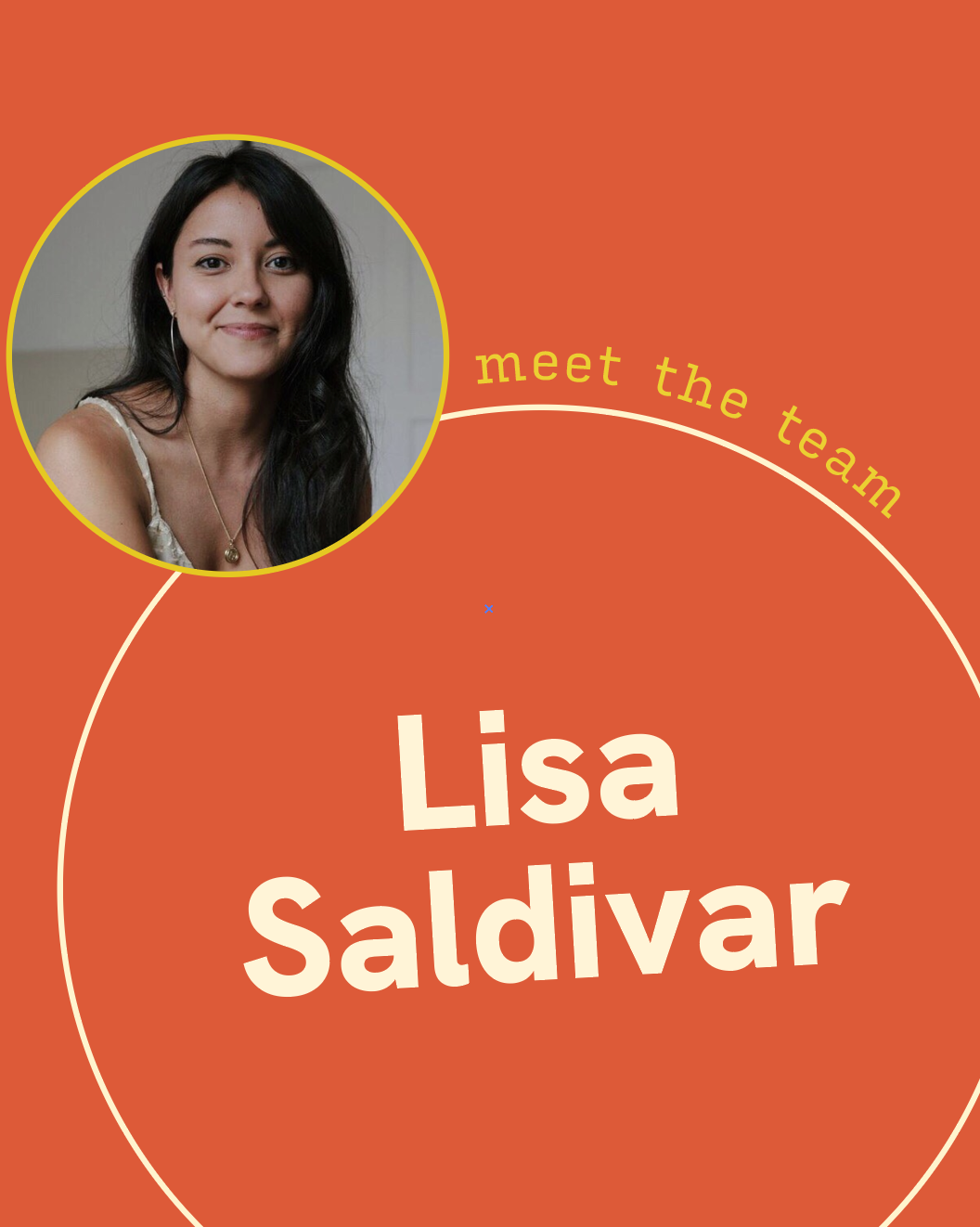
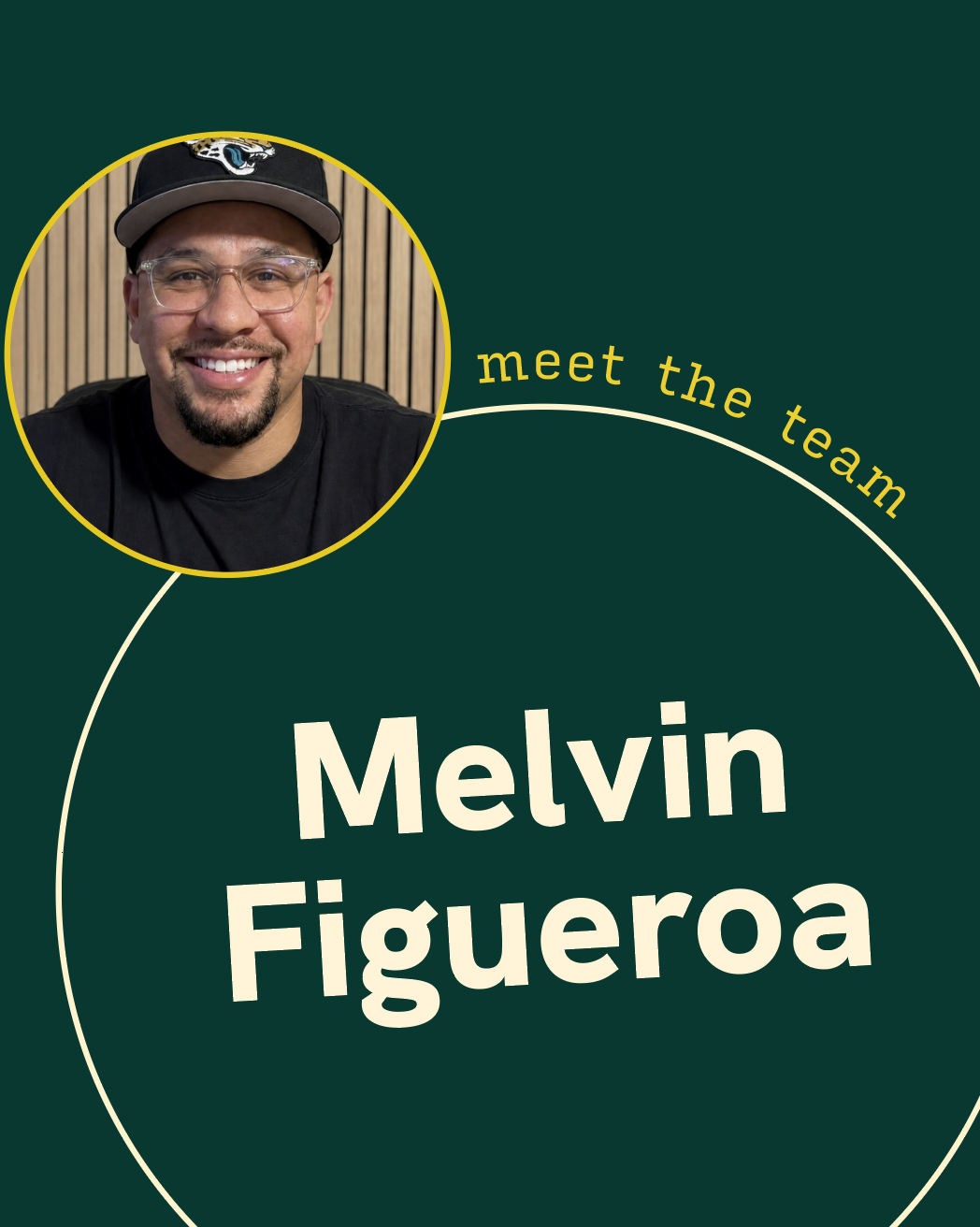
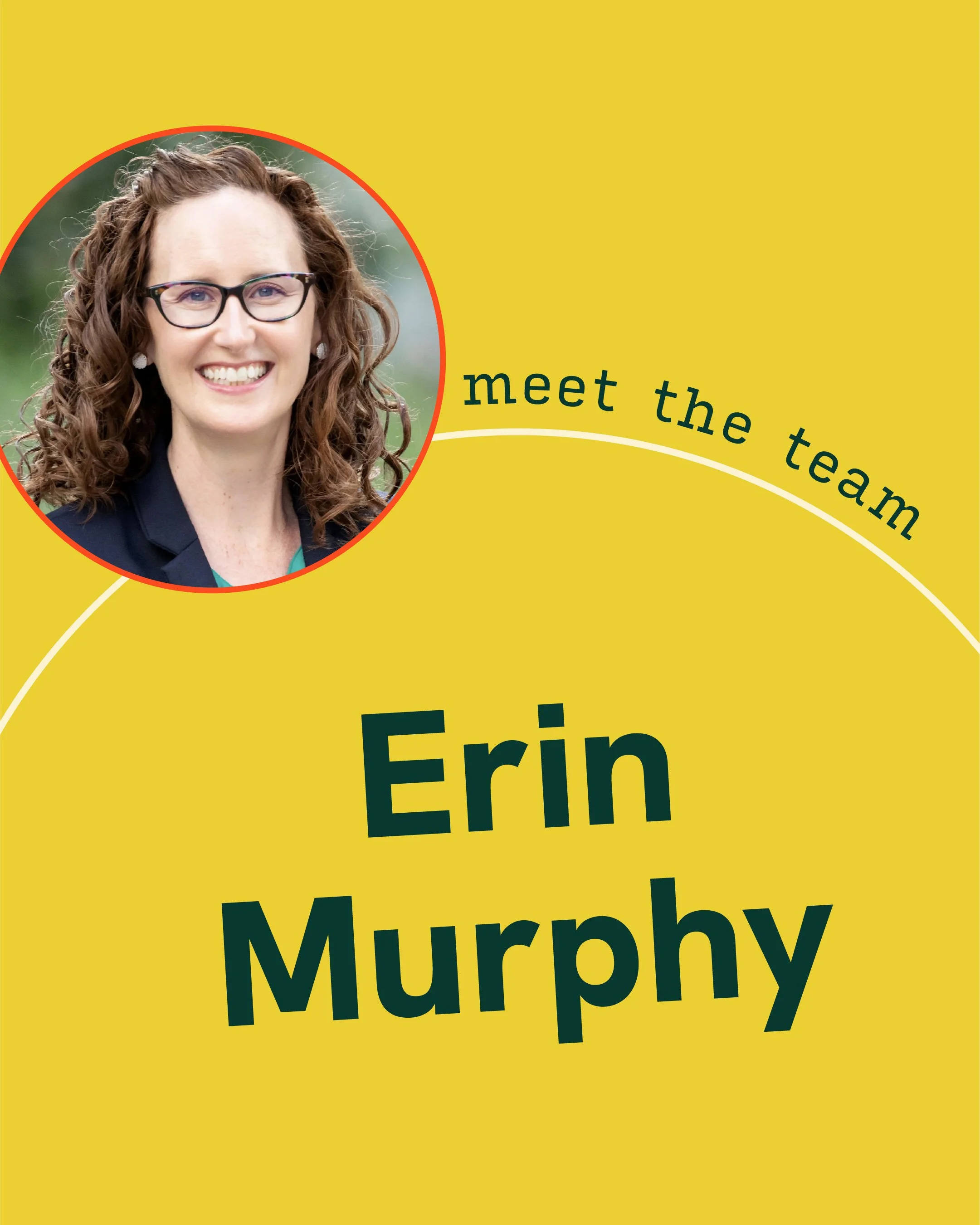
Meet the Team: Melvin Figueroa
Meet Melvin Figueroa, AVEC's Lead Designer, who blends creativity, curiosity, and strategy to help clients build brands that leave a lasting impression.
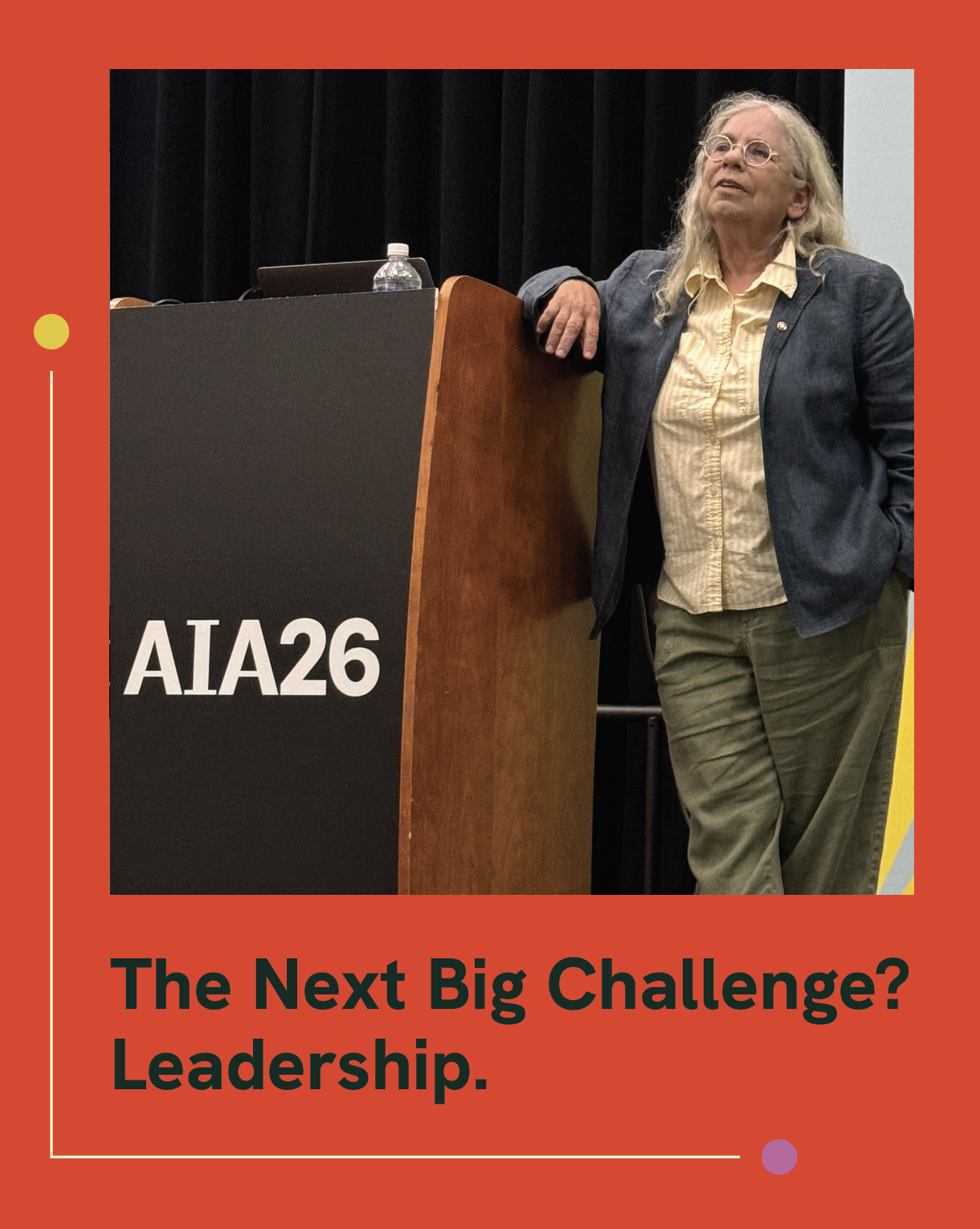
The Next Big Architecture Challenge Isn't the Market. It's Leadership.
At this year's AIA National Conference, one theme surfaced again and again: architecture firms are thinking hard about the future.
One of the things we appreciate most about attending conferences like AIA is the opportunity to compare what we're hearing from clients with what the broader industry is experiencing.
AVEC Market Pulse: Economic Trends
May 2026 - Insights from the AVEC community and ASLA’s SKILL | ED Pulse Check: Building Resilience to Market Volatility
Across the architecture and landscape architecture industries, uncertainty has become less of a temporary condition and more of a persistent operating environment.
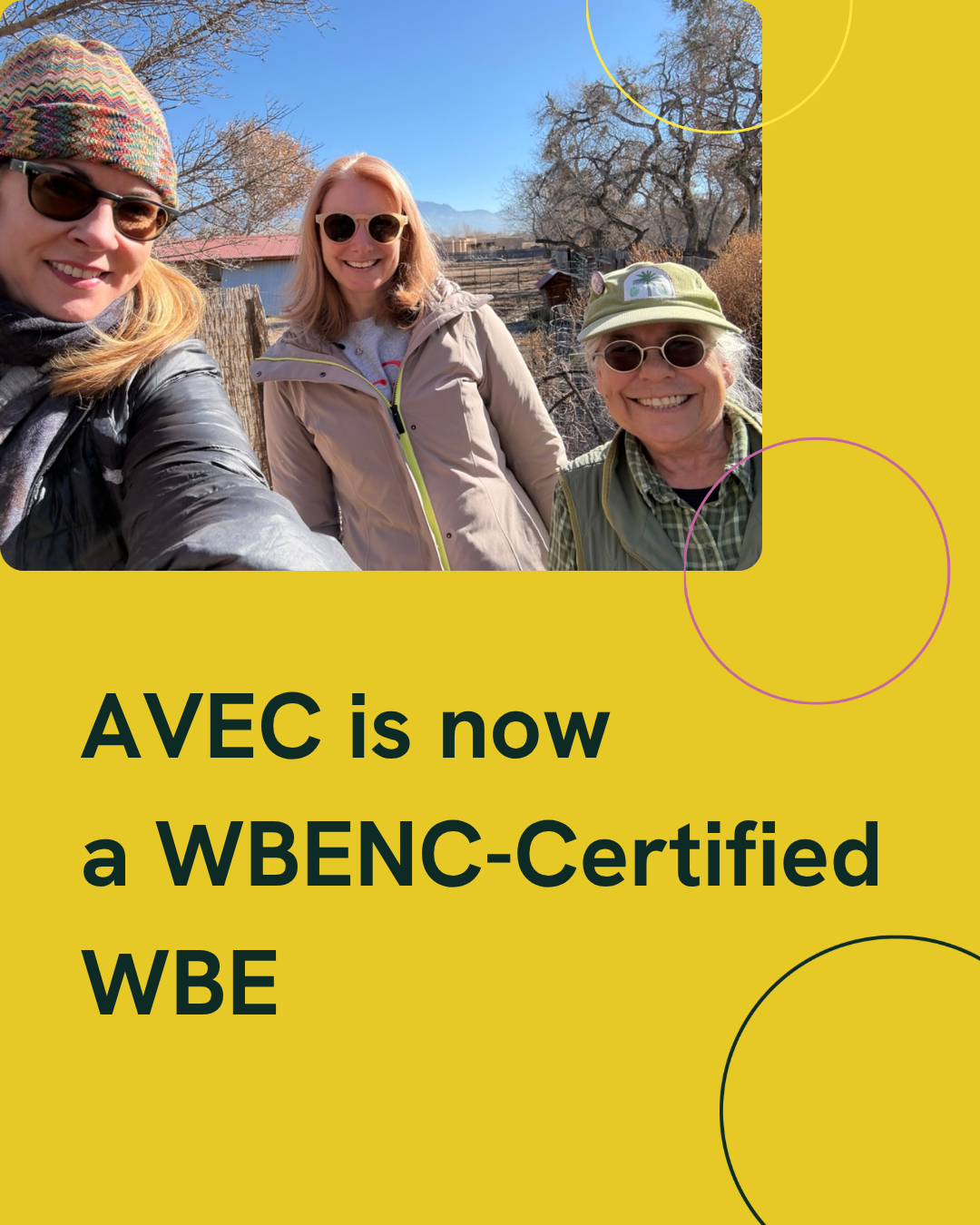
Redefining Consulting: AVEC Earns WBENC Certification
Becoming a WBENC-Certified Women’s Business Enterprise is an exciting milestone for AVEC, but for us, it represents much more than a badge.
It comes at a meaningful moment in our company’s story as AVEC transitions into fully women-led ownership and leadership. Over the last several years, we’ve worked intentionally to build a company that reflects not only how we want to grow, but how we want to lead, partner, and show up for our clients.
Strategic Planning for Architecture Firms
Being busy isn’t the same as moving forward. Firms that navigate growth well don’t necessarily spend more time planning. What they do differently is make clearer decisions—and use those decisions to guide what they take on, and what they don’t.
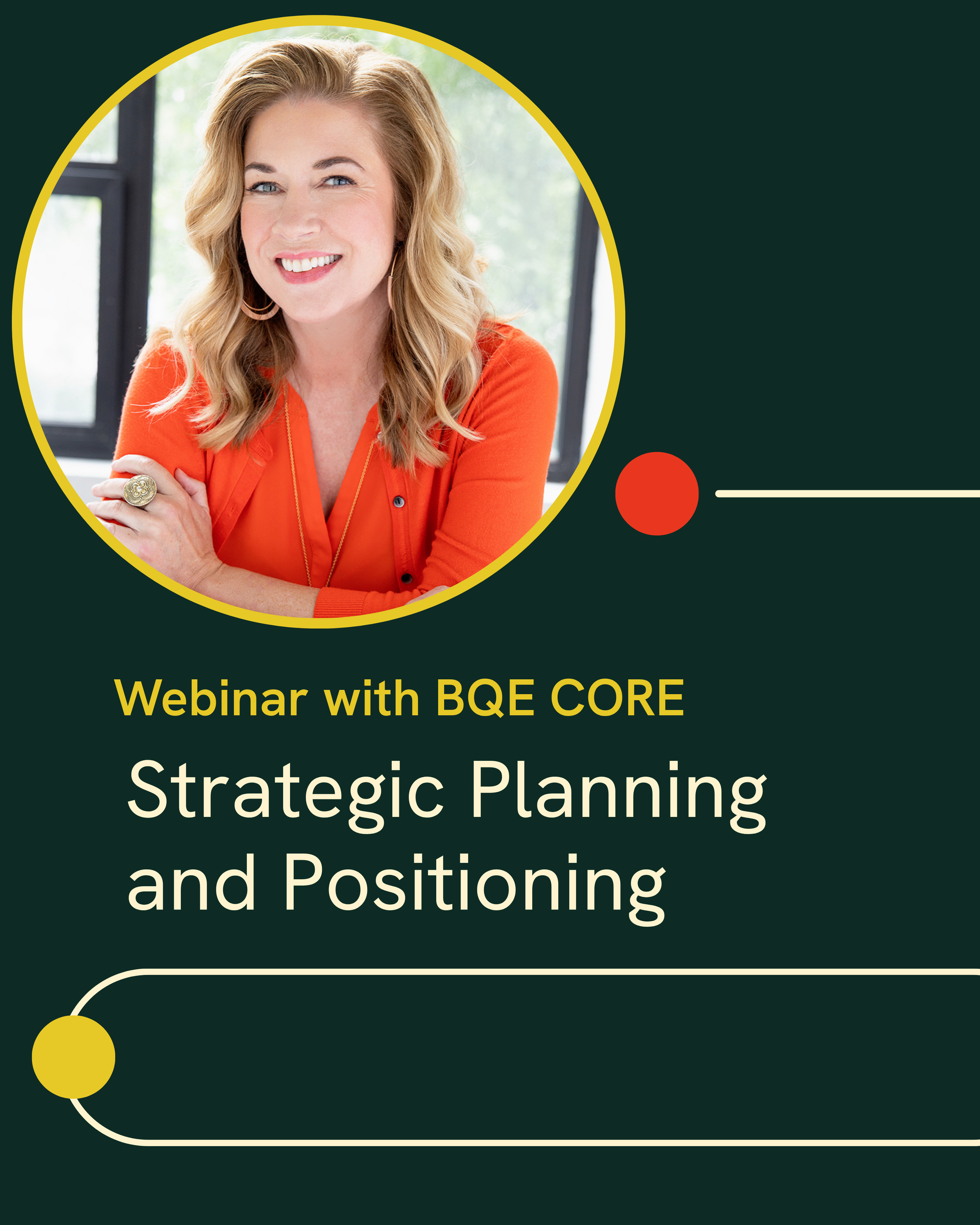
Webinar: Strategic Planning and Positioning
AVEC’s Emily Hall joined BQE to address an issue that many architecture and engineering firms struggle with: strategy. This isn’t because they lack ideas, but because they lack focus.
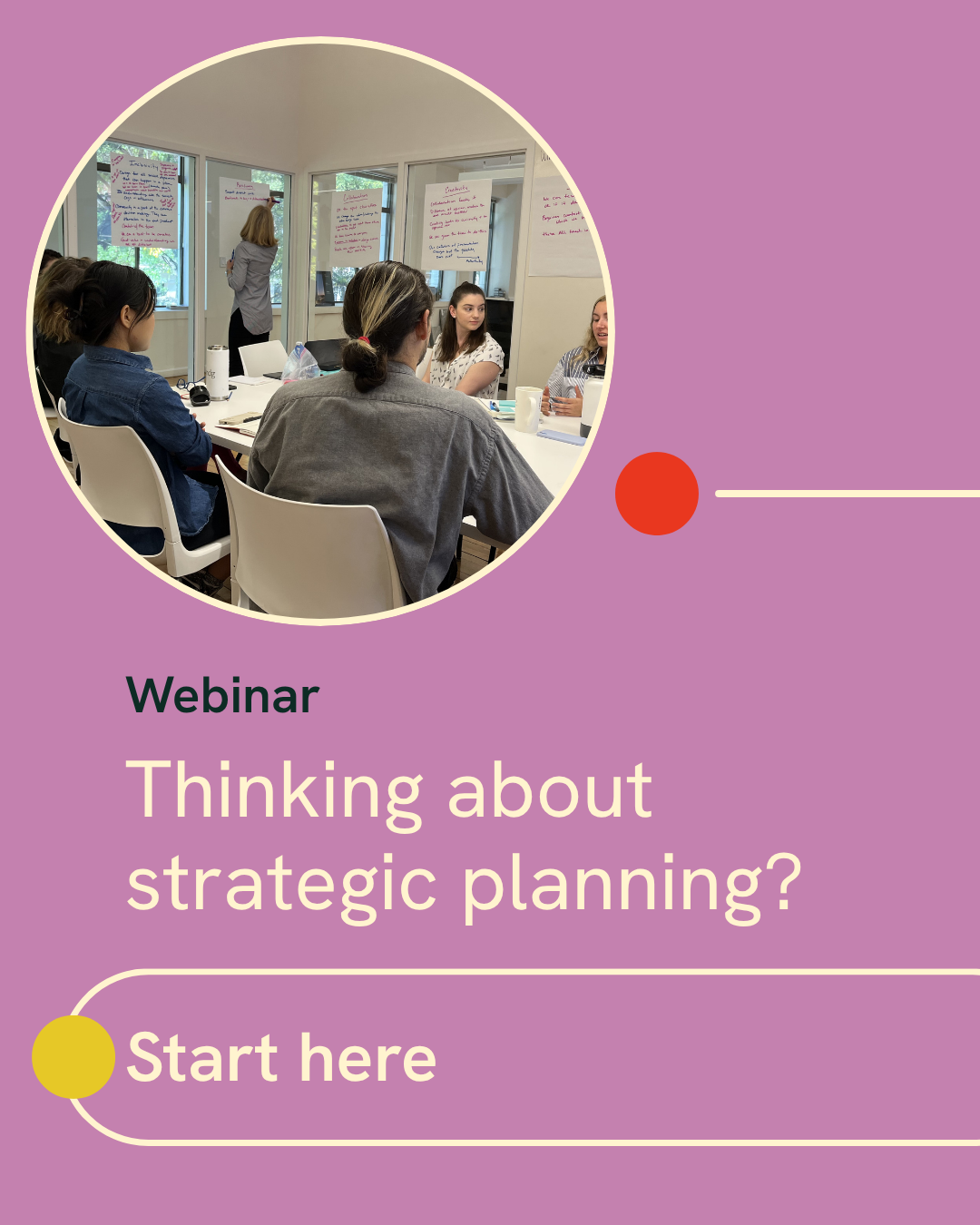
Webinar: A Practical Approach to Strategic Planning
If your firm feels pulled in different directions—or you’re taking on work without being intentional—it may be time to step back and develop a strategic plan. But many strategic plans take time and money, only to gather dust on a shelf.
Tools for Small Firms: Time Management
At BB Architects, the principal usually works sixty to seventy hours a week. Often he is in his office until eight or nine o’clock at night, regularly works on weekends and takes work with him when he does go home. He would like to spend more time doing other things, but the demands of his six-person practice seem to make that nearly impossible.
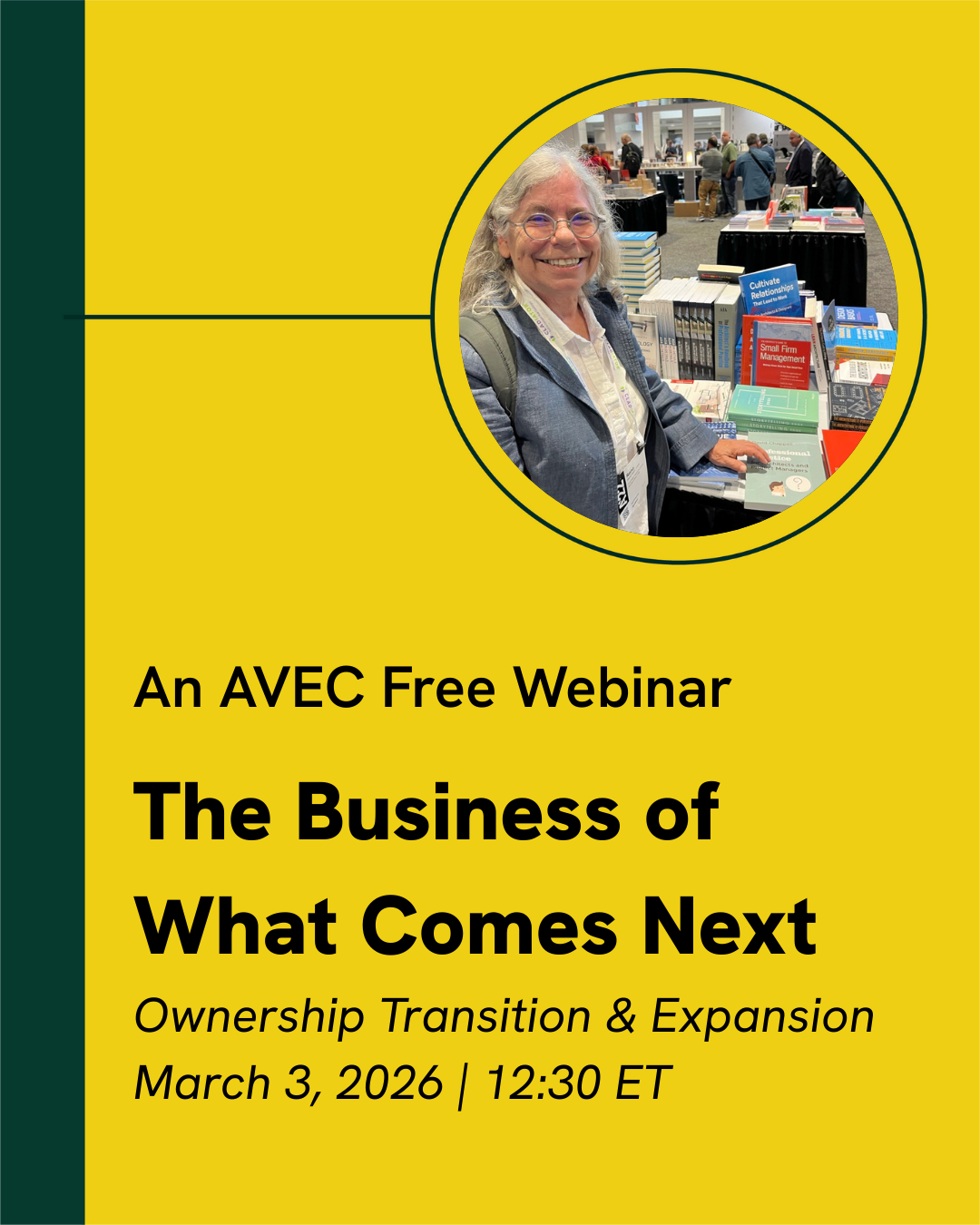
The Business of What Comes Next
Ownership transition is not an event; it’s a system. Firms that plan early (5–10 years out) can reinvent themselves, grow value beyond the founders, and give next-gen leaders a real stake. Firms that wait? They often shrink, sell under pressure, or quietly disappear when the principal retires.
This webinar breaks down how small and mid-sized firms can plan ownership transition early, grow firm value, and develop the next generation of leaders without blowing up culture or cash flow.